

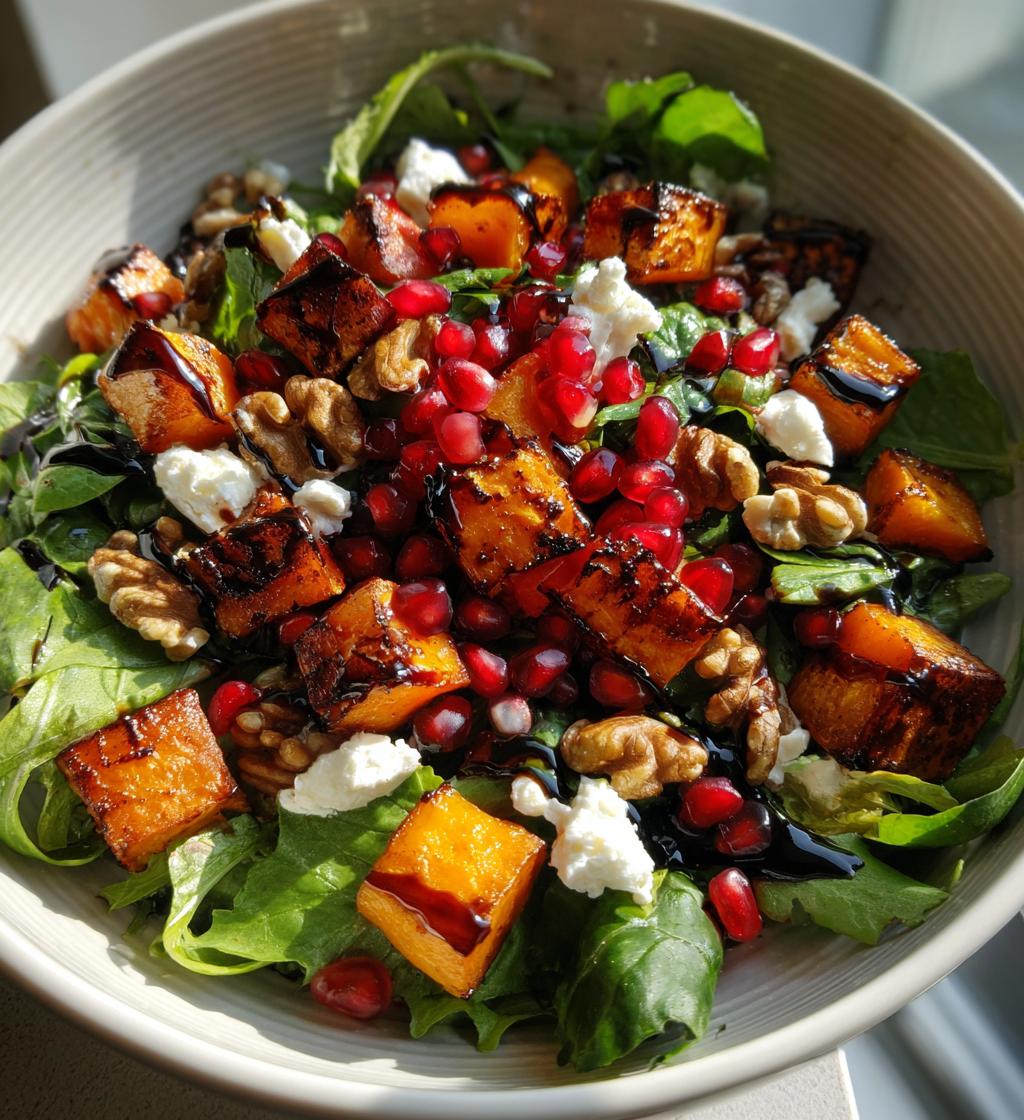
Winter salads are a delightful way to embrace the season while enjoying a burst of fresh flavors and vibrant colors on your plate. As the colder months set in, it’s easy to gravitate towards heavier dishes, but incorporating a winter salad into your meals can provide a refreshing contrast. This particular winter salad combines the rich sweetness of roasted butternut squash with the tangy crunch of pomegranate seeds, creating a unique blend of textures and tastes that are both satisfying and nutritious.
Imagine crunching through a bed of mixed greens topped with warm, roasted squash and sprinkled with feta cheese and walnuts, all drizzled with a luscious balsamic vinaigrette. Each bite offers a perfect balance of sweet, savory, and nutty flavors that will keep you coming back for more. Personally, I love to prepare this salad when I crave something fresh during the winter months, and it never fails to brighten my day. Whether served as a side dish or a light main course, this winter salad is not only delicious but also a showcase of seasonal ingredients that are at their peak this time of year.
Ingredients for Winter Salad
To create a refreshing and flavorful winter salad, you’ll need the following ingredients, measured precisely for optimal taste and texture:
- 2 cups mixed greens
- 1 cup roasted butternut squash, cubed
- 1/2 cup pomegranate seeds
- 1/4 cup walnuts, chopped
- 1/4 cup feta cheese, crumbled
- 3 tablespoons olive oil
- 2 tablespoons balsamic vinegar
- Salt and pepper to taste
Each ingredient contributes to the overall balance of flavors and nutrition in this winter salad, making it a perfect choice for a healthy meal or side dish.
How to Prepare Winter Salad
Preparing a winter salad is a simple yet rewarding process that brings together fresh ingredients in a delightful way. Follow these easy steps to create your own vibrant and nutritious winter salad.
Step 1: Preheat the Oven
Begin by preheating your oven to 400°F (200°C). This temperature is ideal for roasting the butternut squash, ensuring it becomes tender and caramelized while developing a sweet flavor. While the oven is heating, you can prepare the squash for roasting.
Step 2: Roast the Butternut Squash
Next, take your cubed butternut squash and place it in a mixing bowl. Drizzle with 3 tablespoons of olive oil, then season with salt and pepper to taste. Toss the squash until it is evenly coated with the oil and seasonings. Spread the squash cubes in a single layer on a baking sheet, ensuring they are not overcrowded. Roast in the preheated oven for 25-30 minutes, or until the squash is tender and lightly browned. You can check for doneness by piercing a cube with a fork; it should slide in easily.
Step 3: Combine Salad Ingredients
Once the squash is roasted, allow it to cool slightly. In a large mixing bowl, combine the 2 cups of mixed greens, the roasted butternut squash, 1/2 cup of pomegranate seeds, 1/4 cup of chopped walnuts, and 1/4 cup of crumbled feta cheese. Gently toss these ingredients together, ensuring that the greens are well mixed with the other components.
Step 4: Dress the Salad
To dress your winter salad, drizzle 2 tablespoons of balsamic vinegar over the mixed ingredients. Gently toss the salad again to combine everything evenly, making sure that the dressing coats all the ingredients without wilting the greens. Taste the salad and adjust the seasoning with additional salt and pepper if needed.
Step 5: Serve the Salad
Your winter salad is now ready to be served! Present it in a large bowl or individual plates for an attractive display. For a beautiful finishing touch, you can sprinkle a few extra pomegranate seeds and walnuts on top for added color and crunch. This salad can be enjoyed warm or at room temperature, making it a versatile dish perfect for any occasion.
Nutritional Information for Winter Salad
This winter salad not only delights your taste buds but also provides a nutritious option for your meals. Below is the estimated nutritional information per serving, based on standard ingredients:
- Calories: 300
- Fat: 20g
- Saturated Fat: 3g
- Unsaturated Fat: 15g
- Trans Fat: 0g
- Cholesterol: 10mg
- Sodium: 150mg
- Carbohydrates: 25g
- Fiber: 5g
- Sugar: 8g
- Protein: 6g
These values may vary based on specific ingredient brands and preparation methods, but they give a good overview of the health benefits of enjoying this winter salad. With its balance of healthy fats, fiber, and protein, it’s a great addition to any winter meal plan.
🍴 Top Kitchen Essentials You’ll Love




Tips for Success
Creating the perfect winter salad is all about balancing flavors and textures. Here are some pro tips to ensure your winter salad turns out delicious every time:
Adjusting Flavors
Don’t be afraid to customize the flavors of your winter salad. If you prefer a sweeter dressing, consider adding a teaspoon of honey or maple syrup to the balsamic vinegar. Alternatively, if you like a bit of heat, a pinch of red pepper flakes can add a delightful kick. Tasting as you go allows you to adjust the acidity and sweetness to fit your palate.
Adding Proteins
To make your winter salad more filling or to serve it as a main course, consider adding protein. Grilled chicken, roasted chickpeas, or even quinoa can boost the nutritional value while making it heartier. Adding sliced avocado or hard-boiled eggs can also enhance the creaminess and flavor profile of the salad.
Fresh Ingredient Quality
Always opt for the freshest ingredients available. Seasonal produce not only tastes better but also provides more nutrients. If you can, visit local farmers’ markets to find high-quality mixed greens and vegetables. Fresh pomegranate seeds can also be substituted with other seasonal fruits like sliced apples or pears for a different twist.
Presentation Matters
Don’t underestimate the power of presentation. Layering the ingredients in a clear glass bowl can showcase the vibrant colors of the salad, making it visually appealing. Consider serving in individual portions for gatherings, garnished with extra pomegranate seeds and walnuts on top for an eye-catching finish.
Make Ahead and Store
If you’re preparing the salad in advance, keep the dressing separate until just before serving to prevent the greens from wilting. You can also store roasted butternut squash in the refrigerator for up to three days, making it easy to assemble your salad quickly when needed. Just remember to toss everything together gently to maintain the salad’s freshness.
Variations of Winter Salad
While this winter salad is delightful as is, there are many ways to customize and enhance it based on your preferences or seasonal availability. Here are some creative variations to inspire your next salad creation:
Seasonal Vegetable Swaps
Feel free to experiment with different seasonal vegetables that complement the flavors of the winter salad. Some great alternatives include:
- Roasted Brussels Sprouts: Halve and roast Brussels sprouts until crispy for an added crunch.
- Sweet Potatoes: Substitute butternut squash with roasted sweet potatoes for a sweeter profile.
- Beets: Roasted or pickled beets can add a vibrant color and earthy sweetness to the salad.
- Kale: Use kale instead of mixed greens for a heartier base that holds up well to dressing.
Dressing Alternatives
The dressing can transform the flavor profile of your winter salad. Consider these alternatives:
- Citrus Vinaigrette: Replace balsamic vinegar with a mix of fresh orange juice and olive oil for a zesty twist.
- Honey Mustard Dressing: Combine Dijon mustard, honey, olive oil, and apple cider vinegar for a tangy-sweet dressing.
- Avocado Dressing: Blend ripe avocado with lime juice and olive oil for a creamy, nutrient-rich dressing.
Protein Additions
To make your winter salad more filling, consider adding protein sources such as:
- Grilled Chicken: Tender slices of grilled chicken breast pair well with the sweet and tangy flavors.
- Chickpeas: Roasted chickpeas add crunch and protein, making the salad more satisfying.
- Tofu: Marinated and grilled tofu can be a great plant-based protein option for a vegetarian version.
Garnish and Toppings
Enhance the texture and flavor by adding garnishes or toppings:
- Herbs: Fresh herbs like parsley or mint can brighten the salad and add a fresh aroma.
- Seeds: Sprinkle sunflower seeds or pumpkin seeds for an added crunch and nutritional boost.
- Cheese Alternatives: Substitute feta with goat cheese or blue cheese for a different flavor experience.
With these variations, you can tailor your winter salad to suit any taste or dietary preference, ensuring it’s a delightful addition to your meals throughout the season.
Serving Suggestions
While the winter salad is a delightful dish on its own, pairing it with complementary items can create a well-rounded and satisfying meal. Here are some serving suggestions to enhance your dining experience:
Protein-Packed Mains
To make your meal more filling, consider serving the winter salad alongside a protein-rich main dish. Options include:
- Grilled Chicken: Tender and juicy grilled chicken breast pairs perfectly with the sweet and tangy flavors of the salad.
- Salmon: Baked or grilled salmon adds a delicious richness and omega-3 fatty acids to your meal.
- Quinoa Bowl: Serve the salad atop a bed of quinoa for an extra boost of protein and fiber.
Hearty Soups
On colder days, a warm soup can complement the crispness of the winter salad. Consider these pairings:
- Butternut Squash Soup: The creamy sweetness of this soup mirrors the roasted squash in the salad, creating a harmonious meal.
- Lentil Soup: A hearty lentil soup is filling and packed with nutrients, making it a great match for the salad.
- Tomato Basil Soup: The acidity and warmth of this classic soup can balance the freshness of the winter salad.
Artisan Bread
Serve your winter salad with a slice of artisan bread for a comforting touch. Consider:
- Sourdough Bread: The tangy flavor of sourdough complements the salad nicely.
- Whole Grain Baguette: A whole grain baguette adds a wholesome crunch and can be used for dipping in soups.
- Garlic Bread: For a flavorful addition, garlic bread can provide a delicious contrast to the fresh salad.
Cheese and Charcuterie Board
For a more casual meal, create a cheese and charcuterie board to accompany your winter salad. Include:
- Assorted Cheeses: A variety of cheeses such as Brie, sharp cheddar, and goat cheese can enhance the flavors of the salad.
- Meats: Include cured meats like prosciutto or salami for a savory touch.
- Nuts and Dried Fruits: Add walnuts or dried cranberries to echo the ingredients in the salad.
These serving suggestions not only elevate the winter salad but also create a balanced meal that embraces the comforting flavors of the season. Enjoy mixing and matching to find your perfect combination!
Storage & Reheating Instructions
To ensure your winter salad remains fresh and delicious, proper storage is essential, especially if you have leftovers. Here’s how to store and reheat your salad effectively:
Best Storage Methods
After enjoying your winter salad, any leftovers can be stored in an airtight container in the refrigerator. This will help maintain the crispness of the mixed greens and prevent them from wilting. It is recommended to keep the dressing separate until you’re ready to serve the salad again to preserve the freshness of the ingredients. Leftover roasted butternut squash can also be stored in the same container, just make sure it’s cooled down to room temperature before sealing.
Reheating or Freezing Tips
If you’ve prepared the salad with roasted butternut squash and want to enjoy it warm, you can reheat the squash separately in the microwave or oven. Simply place the squash in a microwave-safe dish and heat for about 1-2 minutes until warmed through. If reheating in the oven, spread it on a baking sheet and heat at 350°F (175°C) for about 10 minutes.
As for freezing, it is not recommended to freeze the entire salad, as the greens and dressing may not retain their texture and flavor once thawed. However, you can freeze the roasted butternut squash in an airtight container for up to three months. When ready to use, thaw in the refrigerator overnight and then reheat as mentioned above before adding to your fresh ingredients.
FAQ About Winter Salad
What If My Winter Salad Doesn’t Turn Out Right?
If your winter salad doesn’t turn out as expected, don’t worry! Here are a few common issues and solutions:
- Overcooked Squash: If your butternut squash is mushy, it may have been roasted too long. In the future, keep an eye on the squash while it’s roasting and check for tenderness at around 20 minutes.
- Too Much Dressing: If your salad is too soggy, try to use less dressing next time or serve it on the side. You can always add more if needed.
- Flavor Imbalance: If the salad lacks flavor, try adjusting the dressing with more balsamic vinegar or adding a pinch of salt to enhance the overall taste.
Can I Prepare This in Advance?
Yes, you can prepare certain components of the winter salad in advance! Here’s how:
- Roast the Squash: You can roast the butternut squash a day or two ahead of time. Store it in an airtight container in the fridge and add it to the salad just before serving.
- Prep the Greens: Wash and dry your mixed greens, then store them in a sealed container with a paper towel to absorb excess moisture, keeping them fresh.
- Make the Dressing: Prepare the balsamic dressing in advance and store it in the refrigerator. Just give it a good shake before using.
However, it’s best to combine all the ingredients and dress the salad right before serving to maintain freshness and texture.
What Ingredients Can I Swap?
There are many ways to customize your winter salad based on your preferences or dietary needs. Here are some common swaps:
- Greens: Instead of mixed greens, try using spinach, arugula, or kale for different textures and flavors.
- Feta Cheese: If you’re not a fan of feta, consider using goat cheese or blue cheese for a different taste.
- Nuts: Swap walnuts for pecans or almonds for a different crunch.
- Dressing: If balsamic vinegar isn’t your favorite, try a lemon vinaigrette or a honey-mustard dressing for a different flavor profile.
Feel free to get creative with your ingredient choices based on what you have on hand or your personal taste!
Print
Winter Salad
- Total Time: 45 minutes
- Yield: 4 servings 1x
- Diet: Vegetarian
Description
A fresh and healthy winter salad packed with seasonal ingredients.
Ingredients
- 2 cups mixed greens
- 1 cup roasted butternut squash, cubed
- 1/2 cup pomegranate seeds
- 1/4 cup walnuts, chopped
- 1/4 cup feta cheese, crumbled
- 3 tablespoons olive oil
- 2 tablespoons balsamic vinegar
- Salt and pepper to taste
Instructions
- Preheat your oven to 400°F (200°C).
- Toss butternut squash with olive oil, salt, and pepper. Spread on a baking sheet.
- Roast the squash for 25-30 minutes until tender.
- In a large bowl, combine mixed greens, roasted butternut squash, pomegranate seeds, walnuts, and feta cheese.
- Drizzle with balsamic vinegar and toss gently to combine.
- Serve immediately.
Notes
- Feel free to add your favorite proteins like chicken or chickpeas.
- Store leftover salad in the refrigerator for up to two days.
- Adjust the ingredients based on your preference.
- Prep Time: 15 minutes
- Cook Time: 30 minutes
- Category: Salad
- Method: Roasting
- Cuisine: American
Nutrition
- Serving Size: 1 serving
- Calories: 300
- Sugar: 8g
- Sodium: 150mg
- Fat: 20g
- Saturated Fat: 3g
- Unsaturated Fat: 15g
- Trans Fat: 0g
- Carbohydrates: 25g
- Fiber: 5g
- Protein: 6g
- Cholesterol: 10mg
Keywords: Winter Salad, Healthy Salad, Seasonal Salad