


Gochujang Eggs are a delightful fusion of flavors that bring a spicy kick to any meal. The first time I tried this dish was at a Korean restaurant where the chef proudly presented a plate of perfectly boiled eggs coated in a rich, vibrant red Gochujang sauce. The combination of the creamy yolk and the umami-packed sauce was a revelation, awakening my taste buds to a whole new world of flavor. Gochujang, a fermented chili paste, is a staple in Korean cuisine, known for its unique blend of sweetness, heat, and depth. This dish not only makes for a fantastic breakfast but also serves as a delightful snack or a side dish that can elevate any meal. As I learned to make Gochujang Eggs at home, I discovered their versatility – they can be adjusted to suit any spice preference, making them a hit with family and friends alike. Whether you’re a spice lover or just looking to try something new, Gochujang Eggs are sure to impress!
Why You’ll Love This Recipe
- Quick Preparation: Gochujang Eggs can be ready in just 20 minutes, making them an ideal choice for busy mornings or a quick snack.
- Flavorful Experience: The spicy and savory combination of Gochujang, soy sauce, and sesame oil creates a rich flavor profile that is both satisfying and unique.
- Versatile for Meals or Snacks: Whether enjoyed as a breakfast dish, a side for lunch, or a tasty snack, Gochujang Eggs fit perfectly into any meal plan.
- Customizable Heat Level: You can easily adjust the amount of Gochujang to suit your spice tolerance, making this dish suitable for everyone.
- Healthy Ingredients: Packed with protein and healthy fats, Gochujang Eggs are not only delicious but also nutritious, keeping you energized throughout the day.
Ingredients List
To make delicious Gochujang Eggs, you’ll need the following ingredients:
- 4 large eggs: Fresh eggs are essential for achieving that perfect creamy texture. Make sure they are at room temperature for even cooking.
- 2 tablespoons Gochujang: This Korean chili paste adds the signature spicy and savory flavor to the dish. Adjust the amount according to your heat preference.
- 1 tablespoon soy sauce: Adds a salty umami depth that complements the Gochujang.
- 1 teaspoon sesame oil: A little goes a long way in imparting a nutty flavor that enhances the overall taste.
- 1 green onion, chopped: Fresh green onion provides a crunchy texture and bright flavor, perfect for garnishing.
- 1 teaspoon sesame seeds: These add a delightful crunch and nutty aroma, enhancing the visual appeal of the dish.
How to Prepare Gochujang Eggs
Preparing Gochujang Eggs is a simple and rewarding process that brings out incredible flavors in just a few steps. Follow this guide to create your own delicious Gochujang Eggs at home!
Step 1: Boil the Eggs
Start by placing the large eggs in a saucepan and filling it with enough water to cover the eggs by about an inch. Bring the water to a rolling boil over medium-high heat. Once boiling, reduce the heat to a medium-low and let the eggs simmer for exactly 10 minutes. This timing will ensure a perfectly cooked hard-boiled egg with a creamy yolk.
Step 2: Cool and Peel the Eggs
After the 10 minutes are up, carefully transfer the eggs to a bowl filled with cold water or ice water. Let them cool for about 5 minutes. This not only stops the cooking process but also makes peeling the eggs easier. Once cooled, gently tap each egg on a hard surface to crack the shell, then peel under running water for a smoother experience.
Step 3: Prepare the Gochujang Mixture
In a mixing bowl, combine 2 tablespoons of Gochujang, 1 tablespoon of soy sauce, and 1 teaspoon of sesame oil. Use a whisk or fork to mix the ingredients until they are smooth and well combined. The mixture should have a thick consistency that will adhere well to the eggs.
Step 4: Coat the Eggs
Take the peeled eggs and carefully coat them with the Gochujang mixture. You can use a brush or simply roll the eggs in the bowl to ensure they are evenly covered. Make sure each egg is well-coated to maximize the flavor absorption from the spicy Gochujang sauce.
Step 5: Garnish and Serve
Once the eggs are coated, place them on a serving platter. Garnish with the chopped green onion and a sprinkle of sesame seeds for added flavor and visual appeal. Gochujang Eggs can be served immediately or chilled in the refrigerator for later. Enjoy them as a snack, a side dish, or a flavorful breakfast option!
🍴 Top Kitchen Essentials You’ll Love




Tips for Success
To ensure your Gochujang Eggs turn out perfectly every time, here are some pro tips:
- Choose the Right Eggs: Using fresh, high-quality eggs leads to better flavor and texture. If possible, buy organic or free-range for the best results.
- Control the Spice Level: Start with the recommended amount of Gochujang, then adjust to your taste. Add more if you like it spicier or dilute with a bit of honey for a milder version.
- Peeling Tips: If you have trouble peeling the eggs, try using older eggs, as they tend to peel more easily than fresh ones. Peeling under running water can also help.
- Let Them Marinate: For enhanced flavor, allow the coated eggs to marinate in the fridge for at least 30 minutes before serving. This helps the sauce penetrate the eggs better.
- Experiment with Garnishes: While green onion and sesame seeds are classic, feel free to experiment with other toppings like chopped cilantro, chili flakes, or even a drizzle of sriracha for an extra kick!
Variations of Gochujang Eggs
Gochujang Eggs are incredibly versatile, and you can easily experiment with different flavors and serving styles to suit your taste. Here are a few fun variations:
Spicy Gochujang Eggs with Extra Heat
If you love spice, consider adding a teaspoon of gochugaru (Korean red pepper flakes) to the Gochujang mixture for an additional kick. This will enhance the flavor and add more depth to the dish.
Gochujang Eggs on Rice
For a heartier meal, serve your Gochujang Eggs over a bowl of steamed rice. Drizzle a bit of extra sauce on top and garnish with sliced cucumber or pickled vegetables for a refreshing contrast.
Herbed Gochujang Eggs
Add fresh herbs like cilantro or parsley to the garnish to bring a fresh flavor profile. This can lighten the dish while still allowing the rich Gochujang flavor to shine through.
Gochujang Eggs with Avocado
For a creamy twist, serve your Gochujang Eggs alongside sliced avocado. The creaminess of the avocado complements the spice of the Gochujang, creating a delightful balance of flavors.
With these variations, you can keep your Gochujang Eggs exciting and tailored to your preferences!
Nutritional Information
Keep in mind that nutritional values can vary based on the specific ingredients and brands used in your recipe. Below are typical nutritional values for one serving of Gochujang Eggs (1 egg):
- Calories: 80
- Protein: 6g
- Fat: 5g
- Saturated Fat: 1.5g
- Carbohydrates: 2g
- Sodium: 200mg
- Cholesterol: 186mg
- Sugar: 0g
These values are approximate and can be adjusted based on portion sizes and ingredient choices. Always check ingredient labels for the most accurate information.
Serving Suggestions
Gochujang Eggs are not only delicious on their own but can also be paired with a variety of dishes to create a satisfying meal. Here are some great serving suggestions:
- Steamed Rice: Serve your Gochujang Eggs over a bed of fluffy steamed rice for a hearty and filling meal.
- Fresh Salad: Pair with a light, crisp salad dressed in a sesame vinaigrette to balance the spice of the eggs.
- Kimchi: A side of kimchi adds a tangy crunch that complements the flavors of the Gochujang Eggs beautifully.
- Grilled Vegetables: Roasted or grilled seasonal vegetables can enhance the dish with additional textures and flavors.
- Toasted Bread: Serve on a slice of toasted bread or a bagel for a tasty breakfast option, perfect for a quick bite.
Feel free to mix and match these suggestions to create your ideal meal featuring Gochujang Eggs!
FAQ Section
What If My Gochujang Eggs Doesn’t Turn Out Right?
If your Gochujang Eggs don’t turn out as expected, don’t worry! Common issues include overcooking the eggs, which can lead to a rubbery texture. To avoid this, stick to the 10-minute boiling time and cool them in ice water immediately. If the flavor isn’t as strong as you’d like, try adding more Gochujang or letting the coated eggs marinate for a while for better absorption of flavors.
Can I Prepare This in Advance?
Absolutely! Gochujang Eggs can be prepared in advance and stored in the refrigerator for up to 3 days. Just make sure they’re coated in the Gochujang mixture before storing. This will allow the flavors to deepen, making them even tastier when you’re ready to enjoy them.
What Ingredients Can I Swap?
If you’re looking to make adjustments, there are several substitutions you can consider. For a gluten-free option, use tamari instead of soy sauce. If you want a milder flavor, you can reduce the amount of Gochujang or substitute it with a milder chili paste. Additionally, you can use olive oil instead of sesame oil for a different flavor profile.
Print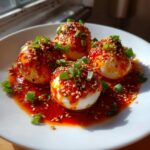
Gochujang Eggs
- Total Time: 20 minutes
- Yield: 4 servings 1x
- Diet: Gluten Free
Description
Spicy and flavorful Gochujang Eggs are a delicious dish that brings a kick to your breakfast or snack.
Ingredients
- 4 large eggs
- 2 tablespoons Gochujang
- 1 tablespoon soy sauce
- 1 teaspoon sesame oil
- 1 green onion, chopped
- 1 teaspoon sesame seeds
Instructions
- Boil the eggs in water for 10 minutes.
- Remove the eggs and cool them in cold water.
- Peel the eggs and set aside.
- In a bowl, mix Gochujang, soy sauce, and sesame oil.
- Coat the peeled eggs with the Gochujang mixture.
- Sprinkle with chopped green onion and sesame seeds.
- Serve immediately or refrigerate for later use.
🍴 Top Kitchen Essentials You’ll Love
Notes
- Adjust the Gochujang quantity for desired spice level.
- This dish can be served as a snack or part of a meal.
- Gochujang can be found in Asian grocery stores.
- Prep Time: 10 minutes
- Cook Time: 10 minutes
- Category: Breakfast
- Method: Boiling
- Cuisine: Korean
Nutrition
- Serving Size: 1 egg
- Calories: 80
- Sugar: 0g
- Sodium: 200mg
- Fat: 5g
- Saturated Fat: 1.5g
- Unsaturated Fat: 3.5g
- Trans Fat: 0g
- Carbohydrates: 2g
- Fiber: 0g
- Protein: 6g
- Cholesterol: 186mg
Keywords: Gochujang, Spicy Eggs, Korean Eggs, Breakfast