
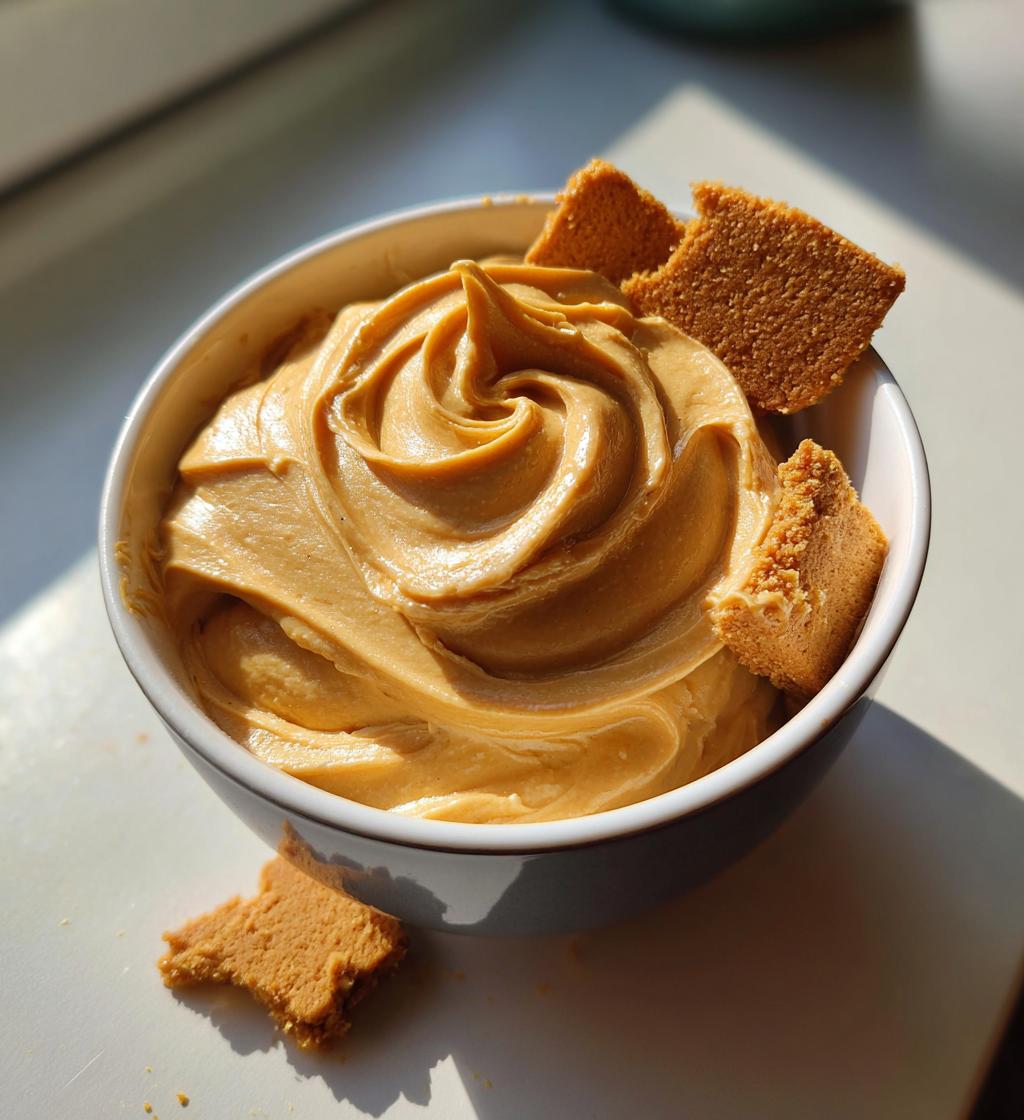
If you’re looking for a frosting that will elevate your desserts to the next level, look no further than Biscoff Buttercream. This creamy and flavorful buttercream is made with delicious Biscoff spread, infusing your cakes and pastries with a unique caramelized flavor that’s hard to resist. Whether you’re frosting a chocolate cake or piping it onto cupcakes, Biscoff Buttercream is versatile enough to suit any occasion. I still remember the first time I whipped up this delightful buttercream for a family gathering. The compliments flowed as everyone savored the sweet, spiced notes of the Biscoff spread combined with the richness of the buttercream. It was an instant hit, and I’ve been making it ever since! Join me as we dive into this easy-to-follow recipe that will undoubtedly become a staple in your baking repertoire.

Ingredients List
- 1 cup unsalted butter, softened
- 2 cups powdered sugar, sifted
- 1/2 cup Biscoff spread
- 2 tablespoons milk
- 1 teaspoon vanilla extract
How to Prepare Biscoff Buttercream
Step 1: Beat the Butter
Start by placing your softened unsalted butter in a large mixing bowl. Using an electric mixer, beat the butter on medium speed for about 2-3 minutes, or until it becomes light and creamy. You’ll know it’s ready when the butter has a pale color and a fluffy texture. This step is crucial as it helps create a smooth base for your Biscoff Buttercream.
Step 2: Add Powdered Sugar
Next, gradually add the sifted powdered sugar to the creamed butter. It’s best to do this in batches, adding about one cup at a time. Mix on low speed to prevent a sugar cloud from forming, then increase the speed to medium until the sugar is fully incorporated. This process should take about 3-5 minutes. The mixture should be thick but still fluffy, indicating that you’re on the right track.
Step 3: Incorporate Biscoff Spread
Once your powdered sugar is fully mixed in, it’s time to add the star of the show—Biscoff spread. Add in the Biscoff spread, milk, and vanilla extract to the bowl. Using the mixer, blend these ingredients on low speed until they are combined. Then, increase to medium speed and mix for an additional 2-3 minutes. The goal is to achieve a smooth and creamy consistency that is easy to spread or pipe. If the mixture seems too thick, don’t worry; you can adjust it in the next step.
Step 4: Final Adjustments
After incorporating all the ingredients, check the consistency of your Biscoff Buttercream. If it appears too thick, gradually add a small amount of milk, about a teaspoon at a time, and mix until you reach your desired texture. Keep in mind that the buttercream should be spreadable yet hold its shape well. Once satisfied, give it a final mix for about 1 minute to ensure everything is evenly combined. Your delicious Biscoff Buttercream is now ready to use!
Why You’ll Love This Recipe
- Unique Flavor: The rich, caramelized taste of Biscoff spread adds a delightful twist to traditional buttercream, making it a standout choice for any dessert.
- Easy to Prepare: With just a few simple ingredients and quick steps, you can whip up this delicious buttercream in no time.
- Versatile Pairings: Biscoff Buttercream pairs beautifully with chocolate, vanilla, or spice cakes, as well as cupcakes and cookies.
- Creamy Texture: The smooth and creamy consistency of this buttercream makes it perfect for spreading or piping, ensuring a beautiful finish to your baked goods.
- Impressive Presentation: Elevate your desserts with a unique frosting that not only tastes fantastic but looks stunning on any cake or pastry.
🍴 Top Kitchen Essentials You’ll Love




Tips for Success
To ensure your Biscoff Buttercream turns out perfectly every time, keep these practical tips in mind:
Use Room Temperature Ingredients
Make sure your unsalted butter is softened to room temperature before starting. This will help it cream more easily and result in a smoother buttercream. Cold butter can lead to a lumpy texture, which is not ideal for frosting.
Gradual Mixing
When adding powdered sugar, do so gradually to avoid a mess. Start mixing on low speed to incorporate the sugar before increasing to medium speed. This will help achieve a smooth consistency without creating a sugar cloud in your kitchen.
Check Consistency
After mixing in the Biscoff spread and other ingredients, check the buttercream’s consistency. It should be smooth and spreadable but firm enough to hold its shape. If it’s too thick, add milk a teaspoon at a time until you reach the desired texture.
Don’t Overmix
Once all ingredients are combined, mix just until smooth. Overmixing can introduce too much air into the buttercream, causing it to become fluffy rather than creamy.
Chill If Needed
If your buttercream becomes too soft, especially in warm conditions, you can chill it in the refrigerator for 10-15 minutes. This will firm it up, making it easier to spread or pipe onto your desserts.
Experiment with Flavors
Don’t hesitate to experiment with different flavors or add-ins to customize your Biscoff Buttercream. A pinch of cinnamon or a splash of almond extract can elevate the flavor even further!
Variations of Biscoff Buttercream
Flavor Variations or Recipe Twists
While Biscoff Buttercream is fantastic on its own, there are numerous ways to customize it to suit your taste preferences or to match different desserts. Here are some delicious variations to consider:
- Chocolate Biscoff Buttercream: Add 1/4 cup of unsweetened cocoa powder to the mixture for a rich, chocolate-infused version that pairs perfectly with chocolate cakes.
- Coffee Biscoff Buttercream: Mix in 1-2 tablespoons of instant coffee granules or brewed espresso to give your buttercream a delightful coffee flavor that complements the caramel notes of the Biscoff spread.
- Spiced Biscoff Buttercream: Enhance the flavor profile by adding a pinch of cinnamon, nutmeg, or ginger to the buttercream for a warm, spiced twist that’s perfect for fall desserts.
- Nutty Biscoff Buttercream: Incorporate finely chopped nuts, such as walnuts or pecans, to add texture and a nutty flavor that pairs beautifully with the buttery sweetness of the Biscoff.
Dietary-Friendly Adjustments
If you have specific dietary needs, you can easily adjust the Biscoff Buttercream recipe to accommodate them:
- Vegan Biscoff Buttercream: Substitute the unsalted butter with a plant-based butter or coconut oil, and ensure that the Biscoff spread is vegan-friendly. This will give you a delicious vegan buttercream without sacrificing flavor.
- Gluten-Free Biscoff Buttercream: As Biscoff spread is typically gluten-free, this buttercream is naturally gluten-free. Just make sure the powdered sugar you use is also gluten-free to maintain its integrity.
- Reduced Sugar Biscoff Buttercream: For a lighter version, you can reduce the amount of powdered sugar by half and replace it with sugar-free alternatives like erythritol or stevia, adjusting the amount of milk based on the consistency.
Storage & Reheating Instructions
Properly storing your Biscoff Buttercream is essential to maintain its freshness and flavor. Here are some tips on how to store leftovers and how to bring it back to a usable state if it has been chilled.
Best Storage Methods
To store your Biscoff Buttercream, transfer it to an airtight container. Make sure the container is completely sealed to prevent any air from entering, which can dry out the buttercream. Store the container in the refrigerator if you plan to keep it for more than a few days. The buttercream can last up to one week when stored properly in the fridge.
Reheating or Freezing Tips
If you have leftover Biscoff Buttercream that has been stored in the refrigerator, it’s important to bring it back to room temperature before using it again. Take it out of the refrigerator and let it sit at room temperature for about 30 minutes. Once softened, give it a good stir with a spatula or mix it briefly with an electric mixer to restore its creamy texture.
If you want to store Biscoff Buttercream for a longer period, you can freeze it. Place the buttercream in a freezer-safe container, leaving some space at the top for expansion. It can be frozen for up to three months. When you’re ready to use it, simply transfer it to the refrigerator and allow it to thaw overnight. After thawing, follow the same process of stirring or mixing to achieve the desired consistency.
Nutritional Information
Please note that nutritional values may vary based on the specific ingredients and brands used in this recipe. Below are the estimated typical values for Biscoff Buttercream per serving (2 tablespoons):
- Calories: 120
- Fat: 7g
- Saturated Fat: 4g
- Unsaturated Fat: 2g
- Trans Fat: 0g
- Cholesterol: 20mg
- Sodium: 50mg
- Carbohydrates: 14g
- Sugar: 12g
- Fiber: 0g
- Protein: 1g
These values provide a general guideline for those monitoring their dietary intake. Enjoy indulging in this delicious Biscoff Buttercream while being mindful of your nutritional needs!
FAQ Section
What If My Biscoff Buttercream Doesn’t Turn Out Right?
If your Biscoff Buttercream isn’t turning out as expected, don’t worry! Common issues include a grainy texture or it being too thick or too thin. If it’s grainy, it may be due to not sifting the powdered sugar. Simply re-mix it on a medium speed until smooth. If it’s too thick, gradually add a teaspoon of milk at a time until you reach your desired consistency. Conversely, if it’s too thin, you can add more sifted powdered sugar until it thickens up.
Can I Prepare This in Advance?
Absolutely! You can prepare Biscoff Buttercream in advance and store it in the refrigerator for up to a week. Just make sure to store it in an airtight container. When you’re ready to use it, allow it to come to room temperature, and re-mix with a spatula or electric mixer to restore its creamy texture. This way, you can save time on baking day!
What Ingredients Can I Swap?
If you’re looking to make adjustments, there are several ingredient swaps you can consider. For a vegan version, you can substitute unsalted butter with a plant-based butter alternative. To make it gluten-free, ensure that the powdered sugar is gluten-free as well. If you want to reduce sugar, consider using sugar alternatives like erythritol or stevia, adjusting the milk as necessary for consistency.
How Long Can I Store Biscoff Buttercream?
You can store Biscoff Buttercream in the refrigerator for up to one week in an airtight container. If you want to keep it longer, you can freeze it for up to three months. Just remember to thaw it in the refrigerator before using and give it a quick mix to restore its texture.
Can I Use Biscoff Buttercream for Piping Decorations?
Yes, Biscoff Buttercream is perfect for piping decorations! Its creamy texture allows it to hold shapes well. Just ensure that it is at the right consistency—not too soft or too thick—so that it can hold its shape while piping. If it becomes too soft, you can chill it for a short while to firm it up before decorating.
For more delicious recipes, check out these mini Biscoff crunch cheesecakes or this Biscoff cookie butter cake!
Print
Biscoff Buttercream
- Total Time: 15 minutes
- Yield: 2 cups 1x
- Diet: Vegetarian
Description
A creamy and flavorful buttercream made with Biscoff spread.
Ingredients
- 1 cup unsalted butter, softened
- 2 cups powdered sugar
- 1/2 cup Biscoff spread
- 2 tablespoons milk
- 1 teaspoon vanilla extract
Instructions
- Beat the softened butter in a large bowl until creamy.
- Gradually add powdered sugar, mixing well after each addition.
- Add Biscoff spread, milk, and vanilla extract. Mix until smooth.
- Adjust consistency with more milk if needed.
- Use immediately or store in the refrigerator until ready to use.
🍴 Top Kitchen Essentials You’ll Love
Notes
- This buttercream pairs well with chocolate or vanilla cakes.
- Store leftovers in an airtight container in the fridge.
- Bring to room temperature before using if chilled.
- Prep Time: 15 minutes
- Cook Time: 0 minutes
- Category: Dessert
- Method: Mixing
- Cuisine: American
Nutrition
- Serving Size: 2 tablespoons
- Calories: 120
- Sugar: 12g
- Sodium: 50mg
- Fat: 7g
- Saturated Fat: 4g
- Unsaturated Fat: 2g
- Trans Fat: 0g
- Carbohydrates: 14g
- Fiber: 0g
- Protein: 1g
- Cholesterol: 20mg
Keywords: Biscoff, buttercream, frosting, dessert